What began as a specialist locomotive export operation has evolved into a fully licensed UK rail operator — a transformation that Europhoenix managing director Glenn Edwards describes as deliberate, pragmatic and shaped by hard-earned experience.
Speaking to Railways Illustrated, Edwards outlines how Europhoenix’s early focus on exporting surplus European locomotives provided both capital and technical knowledge — foundations that later allowed the business to diversify into traction hire and, ultimately, rail operations under the EPR Rail Operations Group.
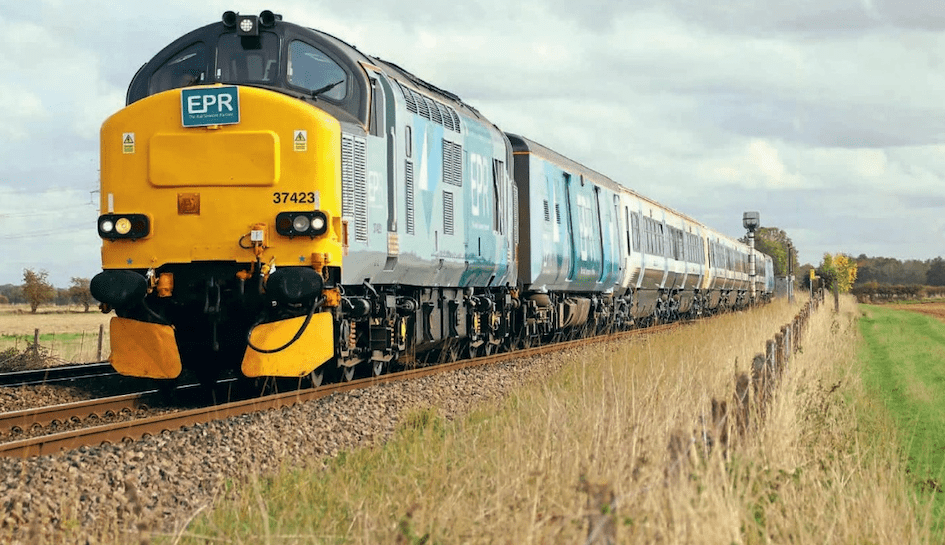
Edwards makes clear that the move into operations was not about competing directly with the UK’s major freight companies. Instead, Europhoenix identified gaps in the market where flexibility and proven traction mattered more than scale. The company’s role has grown around locomotive hire, rescue (“Thunderbird”) duties, infrastructure projects and specialist operations, often supporting other operators rather than replacing them.
From the history of steam through to 21st century rail transport news, we have titles that cater for all rail enthusiasts. Covering diesels, modelling, steam and modern railways, check out our range of magazines and fantastic subscription offers.
A key theme running through the interview is realism. Edwards explains that returning older locomotives to traffic is expensive, time-consuming and increasingly complex. Certification requirements, overhaul costs and ongoing maintenance all shape decisions about which locomotives are viable. As a result, Europhoenix’s fleet strategy has remained focused on capability rather than nostalgia, selecting locomotives that can earn their keep in today’s railway environment.
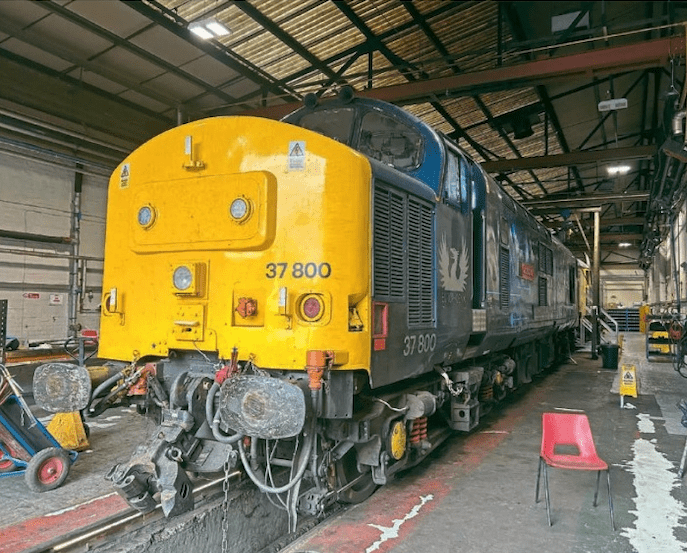
The company’s fleet — including Class 37s, Class 56s and Class 86s — reflects that thinking. Edwards discusses how each class was chosen for specific strengths, whether hauling capability, route availability or suitability for particular contracts. Some locomotives have been restored for UK use, others exported, and some scrapped when the economics no longer stacked up.
Edwards also reflects on the challenges of operating independently in a busy rail market. Staffing, compliance and access to work all require careful management, and growth has been deliberately controlled. Partnerships with customers and infrastructure contractors have played a crucial role, allowing Europhoenix to remain agile while maintaining reliability.
Looking ahead, Edwards suggests that Europhoenix’s future lies in continuing to do what it does best: providing dependable traction for niche requirements, adapting to changing market conditions, and resisting the temptation to over-expand. It is an approach rooted in experience — and one that has taken the company from exporter to operator in an industry where margins are tight and mistakes are costly.
Original feature by Pip Dunn appeared in Railways Illustrated Magazine. To subscribe, click here