Originally published in a 1943 issue of The Railway Magazine, “Locomotive Men” by Philip Spencer offers a vivid snapshot of the culture, rivalries and professional pride that defined Britain’s steam-era railwaymen.
Spencer highlights how loyalty among drivers and firemen often ran deeper than allegiance to the post-Grouping “Big Four”. Instead, men continued to identify strongly with the pre-Grouping companies, viewing themselves not as sections of a larger organisation, but as inheritors of distinct engineering traditions.
Great Central Railway men, raised on Robinson locomotives and Belpaire fireboxes, are described as dismissive of Gresley and Wootton designs. Around Nottingham Victoria, GC crews proudly recalled maintaining demanding schedules on Manchester, Leicester and Marylebone services using Atlantics, Directors and “Sam Fay” engines, rather than newer Pacifics or Gresley A2 “Green Arrow” 2-6-2s.
From the history of steam through to 21st century rail transport news, we have titles that cater for all rail enthusiasts. Covering diesels, modelling, steam and modern railways, check out our range of magazines and fantastic subscription offers.
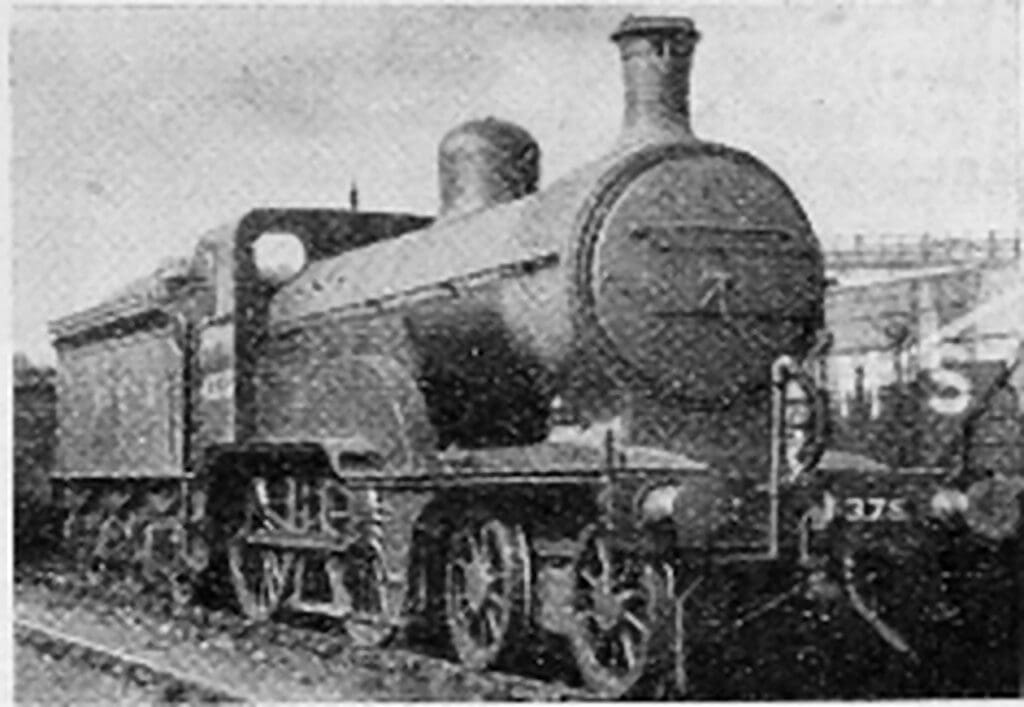
Midland Railway men, by contrast, harboured long-standing resentment toward the LMS “Claughton” class, particularly on the demanding 5.00 p.m. St Pancras to Heysham boat train. Spencer recounts frequent late running at Nottingham, where just five minutes were allowed to take water, often requiring a stand-by Class 2 engine from Bedford shed to assist over Sharnbrook Bank.
Even the arrival of Stanier’s 5XP “Jubilee” 4-6-0s and Black Fives failed to entirely erase these grievances. Meanwhile, London & North Western drivers returned the sentiment, viewing the Midland compound locomotives — dubbed the “scarlet runners” — with equal disdain when compared with their own George the Fifth 4-4-0s and Prince of Wales 4-6-0s.
Beyond British railways, Spencer includes an anecdote from a driver on the Egyptian State Railways, who firmly believed English locomotive drivers earned £20 a week, illustrating how myth and folklore flourished among railwaymen worldwide.
The article closes with a tribute to the Great Northern Railway, part of the LNER, where Spencer felt enthusiasm ran deepest. Legendary enginemen such as Sammy Watson, Tappenden, Pettit and Sparshatt are evoked as near-mythical figures, their feats of “regaining time” still spoken of with reverence.
Today, “Locomotive Men” stands as a valuable historical record, capturing not just machines and schedules, but the identity, rivalry and passion that powered Britain’s railways during the steam age.
Subscribe to the Railway Magazine and you can access the full magazine archive, going back to the 1890s!