In 1946, the Swiss Federal Railways (SBB) introduced a new generation of lightweight, high-speed electric locomotives that would set a benchmark for post-war European rail traction. The Re 4/4 class, rated at 2,400 horsepower, was designed specifically for fast express passenger services linking Geneva, Berne and Zürich.
A total of 26 locomotives entered service, each weighing just 56 tonnes, a dramatic reduction compared with the earlier Ae 3/6 class, which weighed approximately 95 tonnes and dated from the 1920s. This significant weight saving delivered major operational benefits, particularly on mountainous routes.
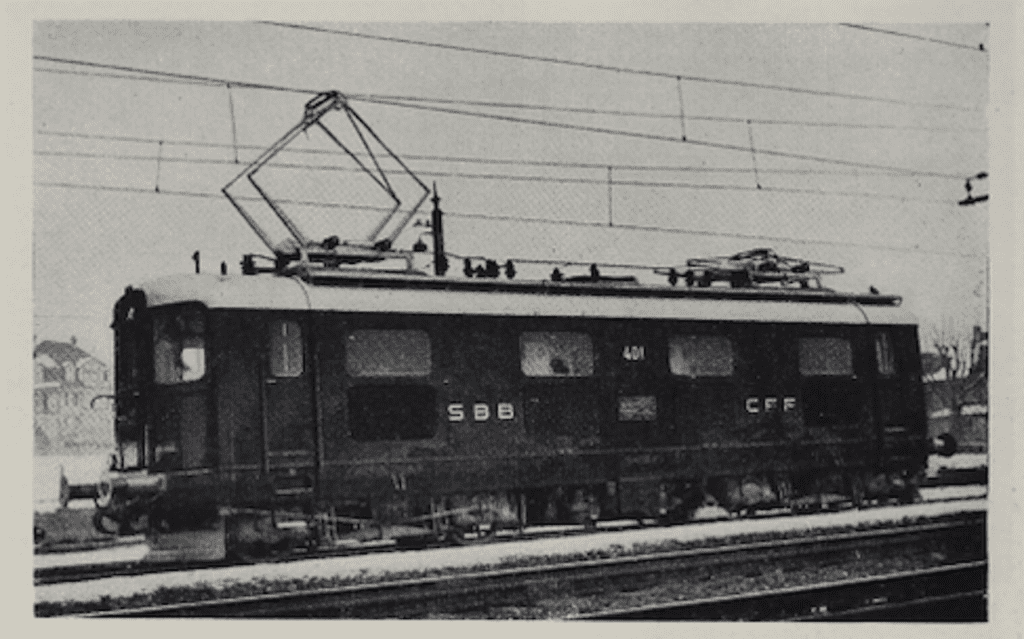
Each Re 4/4 locomotive rode on Bo-Bo bogies, with two traction motors per bogie driving the axles through a flexible transmission. The resulting 14-tonne axle load allowed these locomotives to negotiate the tight curves of the Gotthard line at speeds of up to 46.6 mph, while maintaining 77.7 mph on curves with a radius greater than 41 chains.
From the history of steam through to 21st century rail transport news, we have titles that cater for all rail enthusiasts. Covering diesels, modelling, steam and modern railways, check out our range of magazines and fantastic subscription offers.
Designed to match the emerging lightweight coaching stock, the Re 4/4 locomotives typically hauled trains of 300–350 tonnes, often formed of ten coaches. Safety glass was fitted throughout, and advanced control systems allowed multiple working and push-pull operation, enabling trains to be driven from either end.
Modern safety and braking equipment was a key feature, including a dead-man’s handle, automatic train stop, quick-acting compressed-air brakes optimised for high-speed use, and regenerative braking. Extensive use of welding in bogie construction helped reduce overall mass, while the locomotive body employed all-steel construction for durability.
The Re 4/4 class demonstrated how thoughtful engineering could combine speed, safety and efficiency, and remains a landmark in the evolution of high-performance electric locomotives.