In January 1975, The Railway Magazine published a vivid first-hand account of what it was like to work a diesel locomotive through extreme weather on Scotland’s west coast. Written by Derek Cross, the piece captures an unforgettable night spent on the footplate of a Class 40 during violent rain, gale-force winds and near-zero visibility.
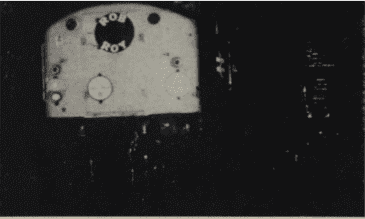
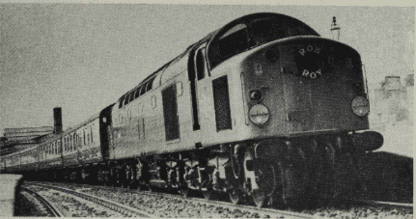
The journey took place on the night of September 6, when the Wirral Railway Circle’s “Rob Roy” special was running from Crewe to Stranraer and back. Derek joined the train at Ayr, boarding locomotive No. 40 044, which would haul the train across some of the most exposed railway in the country.
Into the storm
As the train left Ayr Junction and headed south, conditions rapidly deteriorated. Torrential rain hammered the cab windows, often exploding against the glass rather than flowing across it. Visibility was so poor that even the cab wipers became ineffective, yet the train pressed on into the darkness.
From the history of steam through to 21st century rail transport news, we have titles that cater for all rail enthusiasts. Covering diesels, modelling, steam and modern railways, check out our range of magazines and fantastic subscription offers.
The route between Ayr and Girvan, recently converted to tokenless block working south of Girvan, added to the challenge. With manual tablet exchanges still required and no leaf contamination on the rails, the locomotive was worked hard, climbing steadily through open moorland with no shelter from the weather.
The power of 40 044 became evident as it surged into the wind, the engine note deepening as full power was applied. Despite the conditions, the locomotive remained sure-footed, climbing confidently where lesser engines might have struggled.
Glenwhilly and beyond
Beyond Girvan, the train encountered the full force of the storm across Glenwhilly and the exposed approaches to Barrhill. Wind tore across the moors, rain lashed horizontally, and the sense of isolation intensified. Derek describes the eerie glow of the driver’s gauges, the rhythm of the engine, and the growing roar of the storm outside the cab.
Approaching Dunragit, the rain intensified still further, flooding the cab roof seams and turning the footplate into a battle against the elements. Yet the train continued, the crew focused solely on keeping the service moving safely through the night.
Arrival at Stranraer
Eventually, the lights of Stranraer Town appeared through the rain. The arrival was dramatic: water pouring from the station roof, curtains of rain illuminated by station lamps, and the Class 40 emerging from the darkness battered but victorious.
After uncoupling and waiting to return north, the locomotive — assisted by a Class 47 — headed back into the storm, disappearing once again into the black moors towards Chirnorie.
A night to remember
Reflecting on the experience, Derek admitted that while it was not a journey he would have chosen beforehand, it became a night he would never forget. The article stands as a powerful reminder of the realities of railway operation in the 1970s — when crews, machines and infrastructure were regularly tested by the raw forces of nature.
Originally published: The Railway Magazine, January 1975 Author: Derek Cross. To gain access to the full archive of The Railway Magazine, dating back to the 1800s, become a subscriber here https://www.classicmagazines.co.uk/the-railway-magazine