Mark Lancaster
-
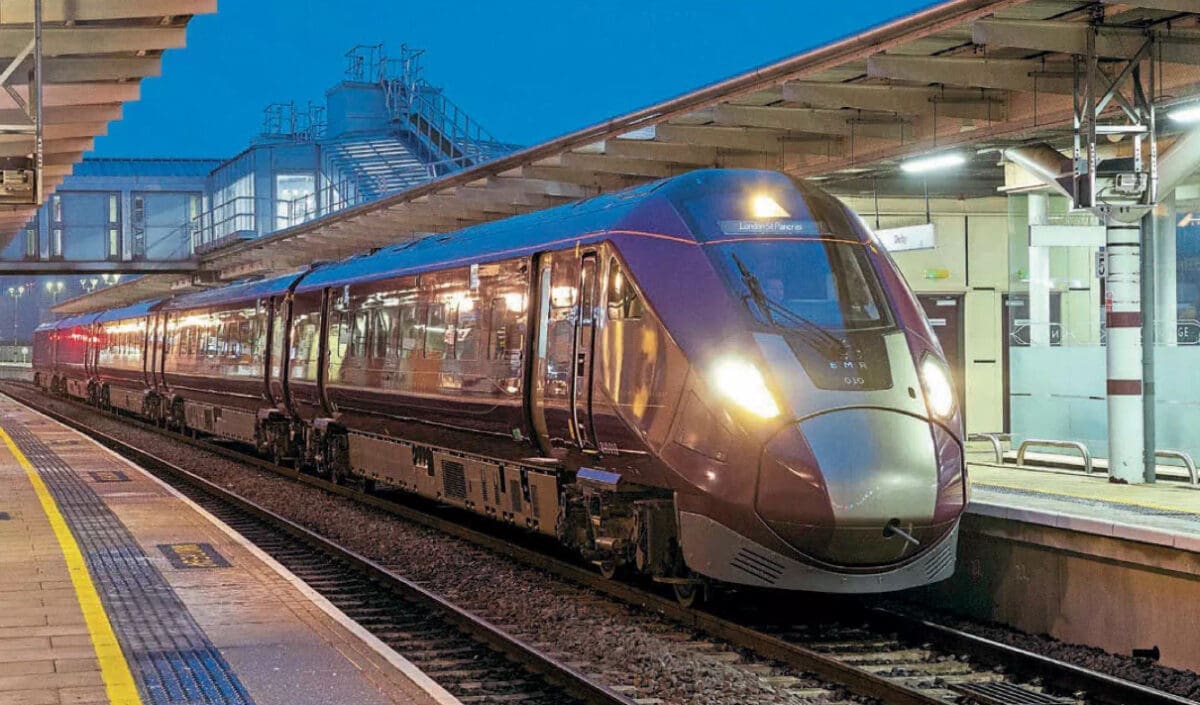
A look back at 810 ‘Aurora’ units entering service
Posted
by
In the January issue of Rail Express Magazine Tony Miles reported on the first of 33 new Class 810 bi-mode trains which entered passenger service with East Midlands Railway on December 3. Launch at Derby Etches Park MORE than three years later than expected the new ‘Aurora’ fleet was formally launched at Derby Etches Park…
-
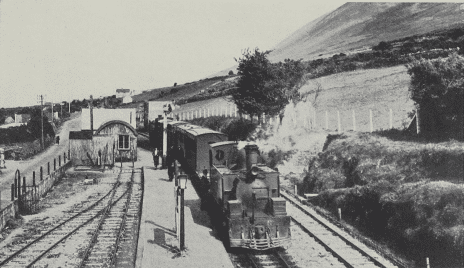
The Tralee & Dingle Railway: Archive article from a 1939 issue of The Railway Magazine
Posted
by
By CYNRIC MYTTON-DAVIES Introduction and Closure Announcement ONE of the most westerly lines in Europe will no longer be available for passengers by the time that this issue of THE RAILWAY MAGAZINE appears, for the announcement was made on March 15 that the Tralee & Dingle Light Railway is to be closed to passenger traffic…
-
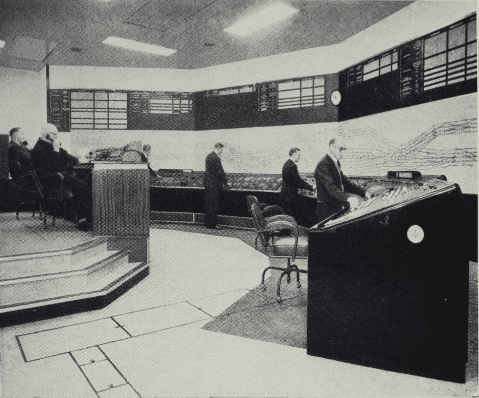
Archive article: Newcastle Central Station New Route-Relay Interlocking Signalbox
Posted
by
An archive article from the June 1959 issue of The Railway Magazine describing the new route-relay interlocking signalbox at Newcastle Central Station, detailing its layout, signalling equipment, telecommunications systems, relay installations, and electrical infrastructure. The North Eastern Region of British Railways has brought into operation a new route-relay interlocking signalbox above the platforms in the…
-
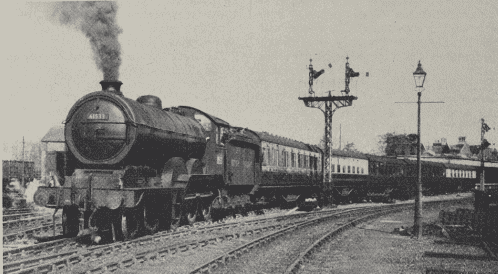
Archive: “The Leicesters” – From The Railway Magazine, March 1959
Posted
by
The following article is reproduced verbatim from the March 1959 issue of The Railway Magazine. It details the working of the “Leicesters” services over the former Midland & Great Northern Joint line, including locomotive allocations, operations and a notable 1958 run. THE almost complete closure as from midnight on February 28 of the Midland &…
-
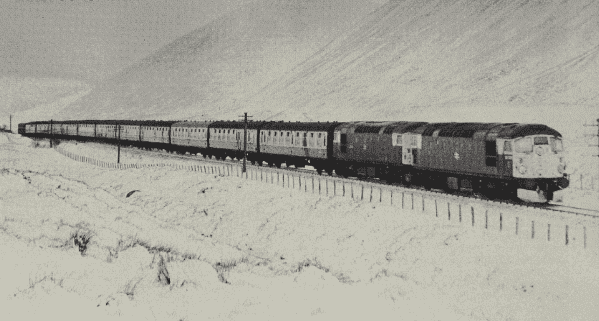
January 1977: D.E. Canning, Signalman and Photographer, seeks snow & sun in Scotland
Posted
by
From the January 1977 archive, this first-hand account follows a winter rail journey over the Highland Main Line, travelling on the “Royal Highlander” and “Clansman” amid snow, summit climbs and Class 40 and Class 47 haulage. Living in Southern England and planning the trip LIVING in a sheltered part of Southern England where snow is…
-

WIN!! a first-class trip behind Flying Scotsman
Posted
by
It’s the most famous steam locomotive in the world, and in just a few days you could be riding behind it in first-class style. We’ve teamed-up with leading railtour company Vintage Trains for a limited-time exclusive competition, as we have reserved a table for four people in first class on Thursday, February 19… and you…
-
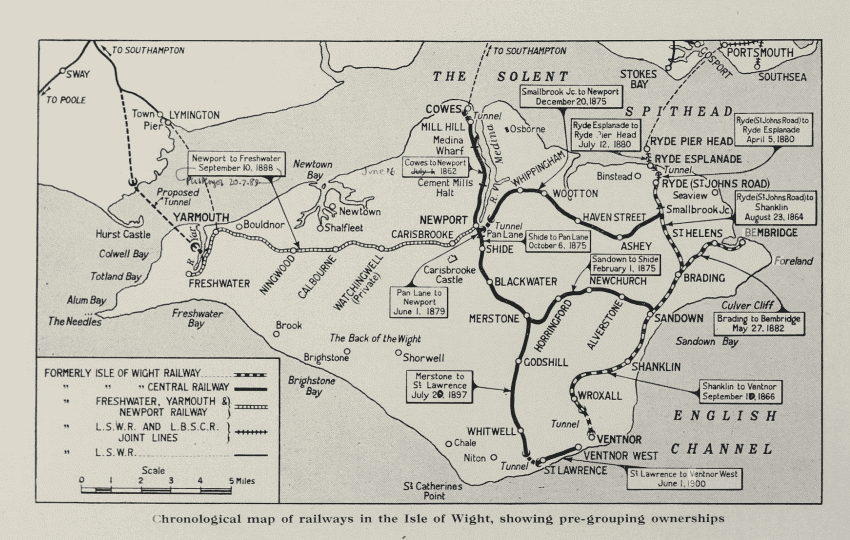
The Isle of Wight (Newport Junction) Railway – an archive article from October 1959
Posted
by
This article from the October 1959 issue of The Railway Magazine examines the history of the Isle of Wight (Newport Junction) Railway, drawing on contemporary records and board minutes to trace its development, financial difficulties, and eventual incorporation into the Isle of Wight Central Railway. The account follows the railway from its promotion in the…
-

Dapol launches special UK-produced World Book Day wagons for March
Posted
by
Model railway manufacturer Dapol is marking World Book Day 2026 with a range of specially liveried UK-produced wagons, supporting reading-for-fun charity efforts with every sale. Dapol has announced a new range of UK-produced wagons to coincide with World Book Day, which takes place on 5 March 2026. The charity-linked models will be available in both…
-
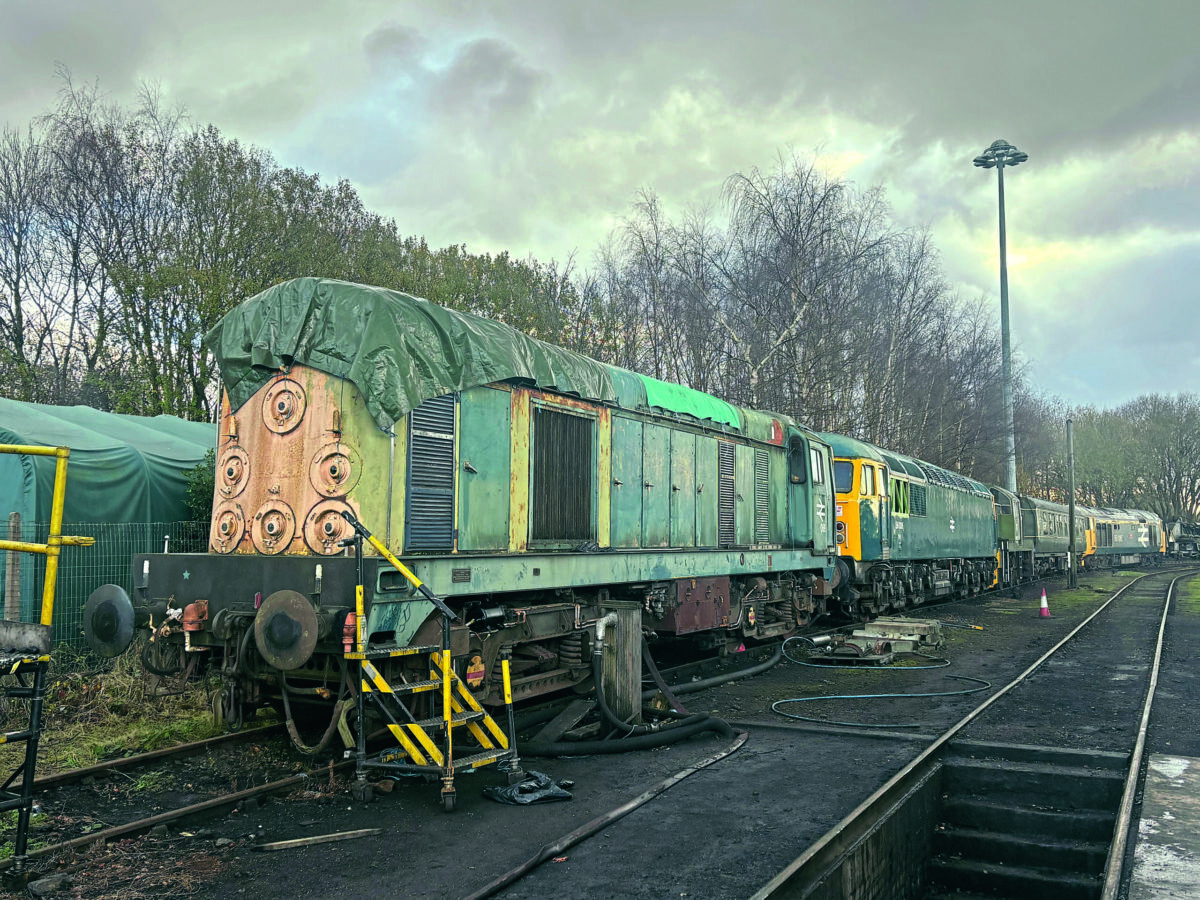
Recent restoration round-up around the country
Posted
by
A recent round-up of restoration projects as seen in Railways Illustrated Magazine, compiled by Pip Dunn. 03145 – Moreton Park: In September, the reduced-height 03 received a layer of polish from the top down to give it some protection during the winter. Some rust spots on the cab end and sides were treated and a…
-
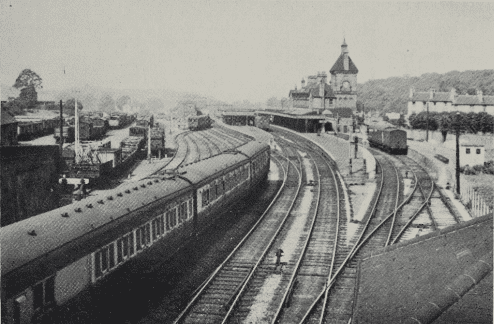
Tunbridge Wells West as a Railway Centre (January 1956)
Posted
by
An extract from the January 1956 issue of The Railway Magazine describing passenger and goods services, station layouts, motive power, and traffic patterns centred on Tunbridge Wells West. The article records contemporary operations, routes, rolling stock, and infrastructure as they stood in the mid-1950s. IN the Tunbridge Wells area of the Southern Region of British…
From the history of steam through to 21st century rail transport news, we have titles that cater for all rail enthusiasts. Covering diesels, modelling, steam and modern railways, check out our range of magazines and fantastic subscription offers.