Features
-
January 1959: Inside British Railways’ New Type 2 Diesel Locomotives and the Technology Shaping the Future
Posted
by
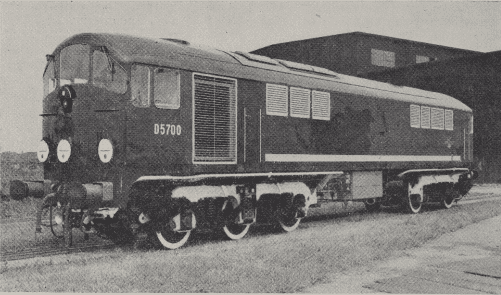
In January 1959, Britain’s railway modernisation programme was gathering momentum. Among the most significant developments of the period was the introduction of a new generation of Type 2 mixed-traffic diesel-electric locomotives, designed to handle both passenger and freight duties across the network. The Railway Magazine reported on the delivery of twenty 1,200hp diesel-electric locomotives, numbered…
-
What’s Happening to… Nationwide Restoration and Maintenance Update
Posted
by
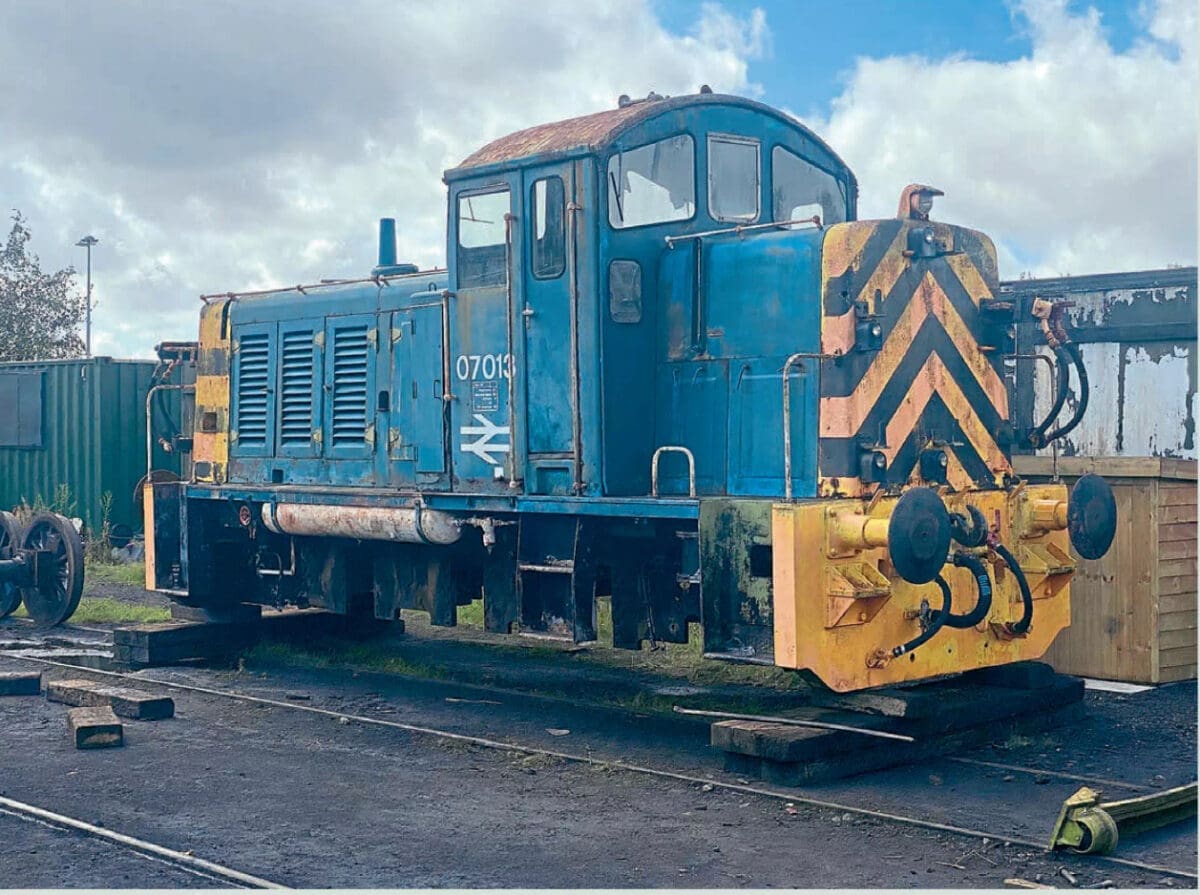
Britain’s preserved Class 56 diesel locomotives continue to benefit from extensive behind-the-scenes work as owners, volunteers and specialist contractors push forward with long-term restoration and maintenance programmes. This nationwide update, compiled by Pip Dunn, highlights progress across multiple heritage railways and depots. Bury 07013 At Bury, work has progressed incrementally following wheelset attention and inspections…
-
Ghost on the Footplate: A Chilling Railway Tale of Fate, Faith and a Watchful Guardian
Posted
by
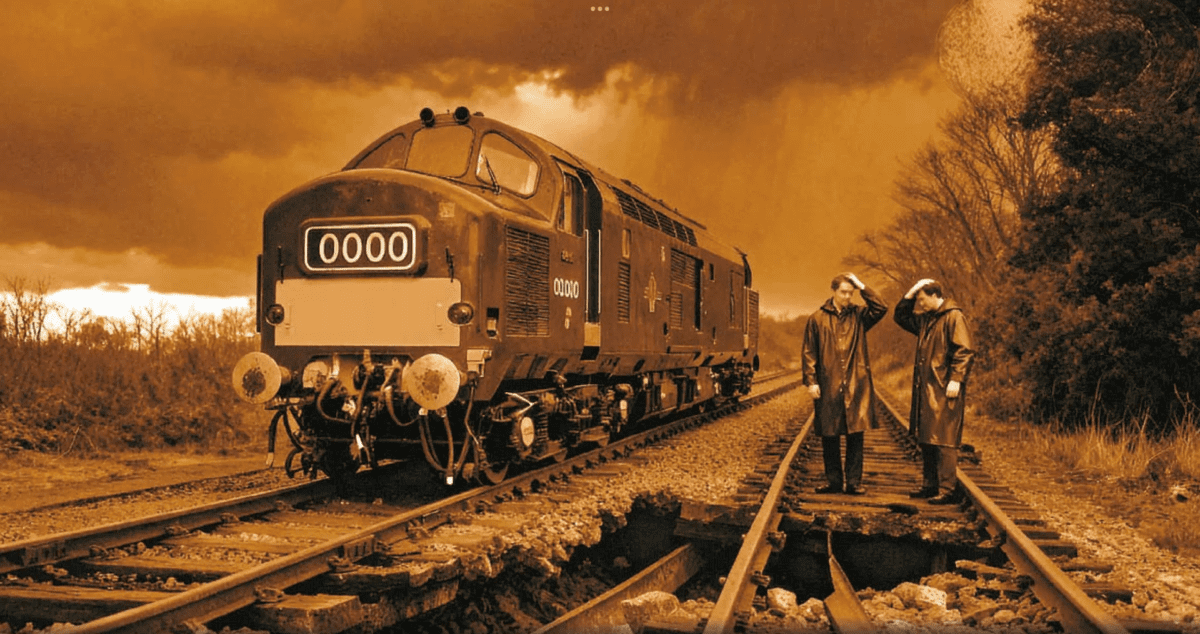
As Britain’s railways transitioned from steam to diesel, not all change was mechanical. Some, it seems, was far more mysterious. Neil Taylor recounts a haunting Christmas Eve journey set against the backdrop of a rapidly disappearing railway world. Steam sheds stood silent, branch lines rusted into obsolescence, and Victorian stations were being cut down only…
-
Inside Track Railway Holidays’ 2026 programme
Posted
by
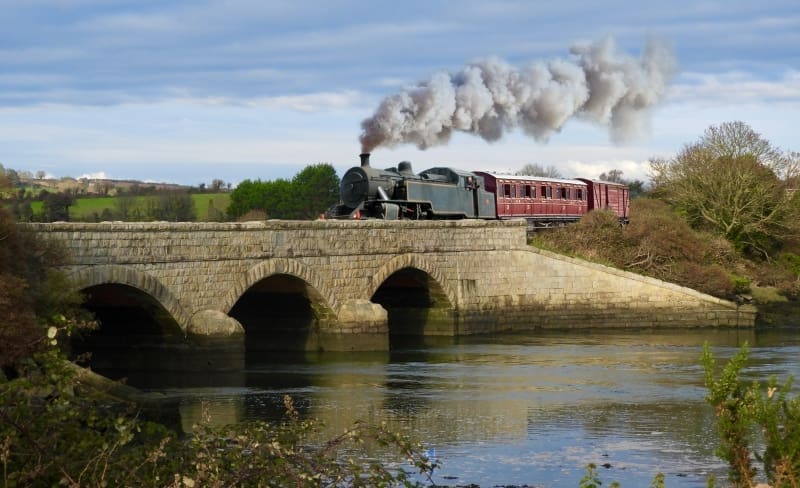
Inside Track Railway Holidays is shaping up for a standout year, with its 2026 itinerary promising one of the operator’s most varied and enticing programmes to date. A carefully curated selection of UK and European railway holidays is planned, combining classic rail travel with memorable destinations and relaxed, well-paced itineraries. Among the highlights is the…
-
Recreating the Past: Why Railway Photography Still Chases the Spirit of the 1980s
Posted
by
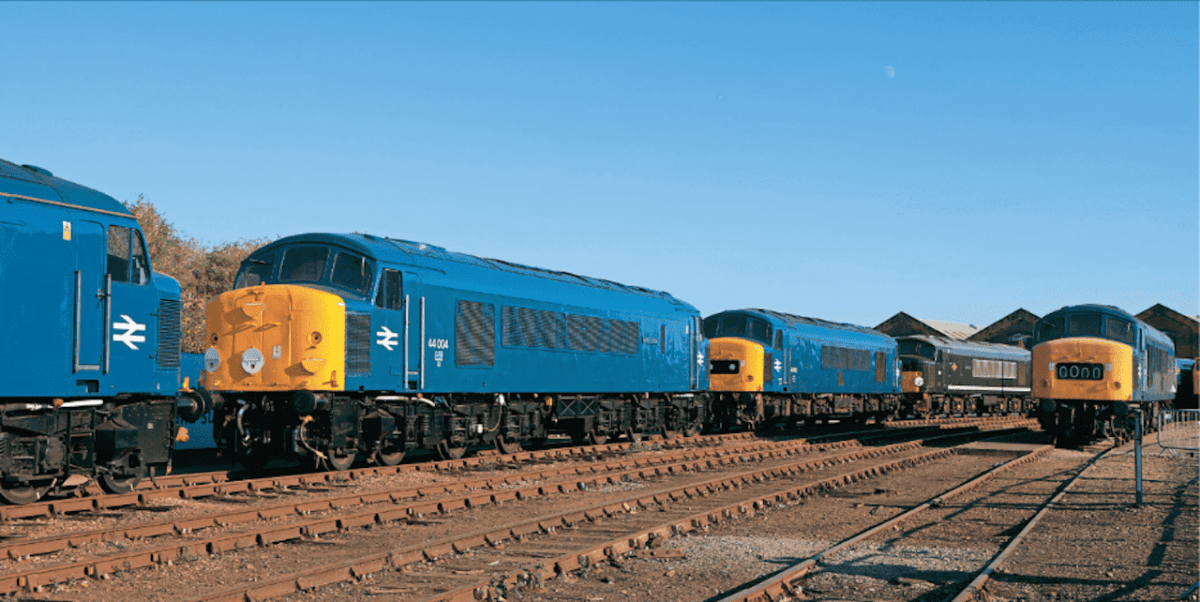
Railway photography has always been more than documentation. For many enthusiasts, it is about capturing a fleeting moment in time — preserving memories while also creating images that echo the atmosphere of a vanished railway era. In this reflective feature from Railways Illustrated (December 2025), photographer Chris Gee explores why recreating the look and feel…
-
Swiss Re 4/4 Locomotives: How Switzerland Pioneered High-Speed Electric Rail Travel in 1946
Posted
by
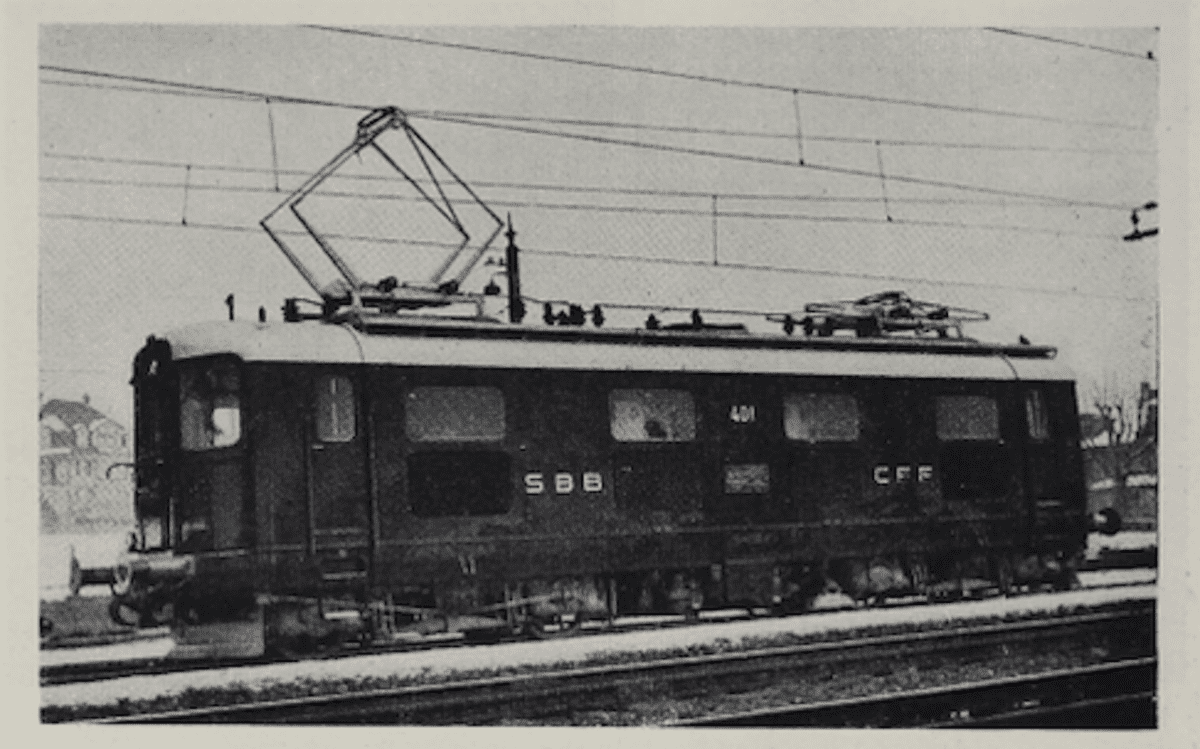
In 1946, the Swiss Federal Railways (SBB) introduced a new generation of lightweight, high-speed electric locomotives that would set a benchmark for post-war European rail traction. The Re 4/4 class, rated at 2,400 horsepower, was designed specifically for fast express passenger services linking Geneva, Berne and Zürich. A total of 26 locomotives entered service, each…
-
How British Rail Centralised Freight at Taunton: A 1965 Railway Magazine article from 60 Years Ago
Posted
by
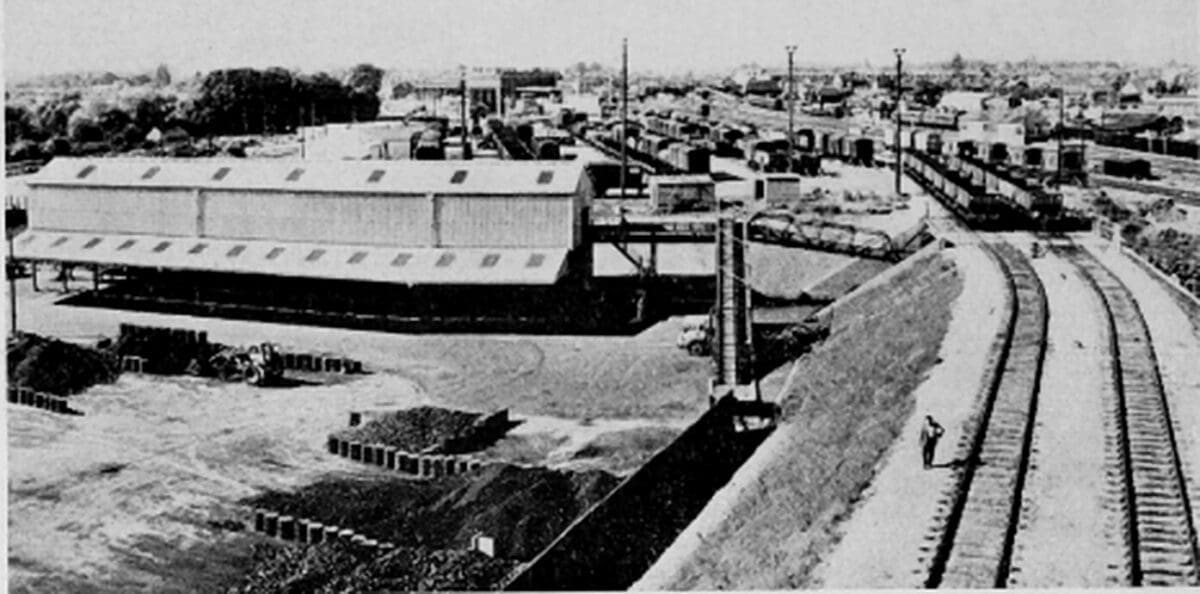
This article is an archive feature reproduced from The Railway Magazine, 1965, offering a snapshot of how British Rail was reshaping freight handling more than 60 years ago. In 1965, British Rail undertook a major reorganisation of freight and coal traffic across Somerset by concentrating operations at a newly developed two-section goods and coal depot…
-
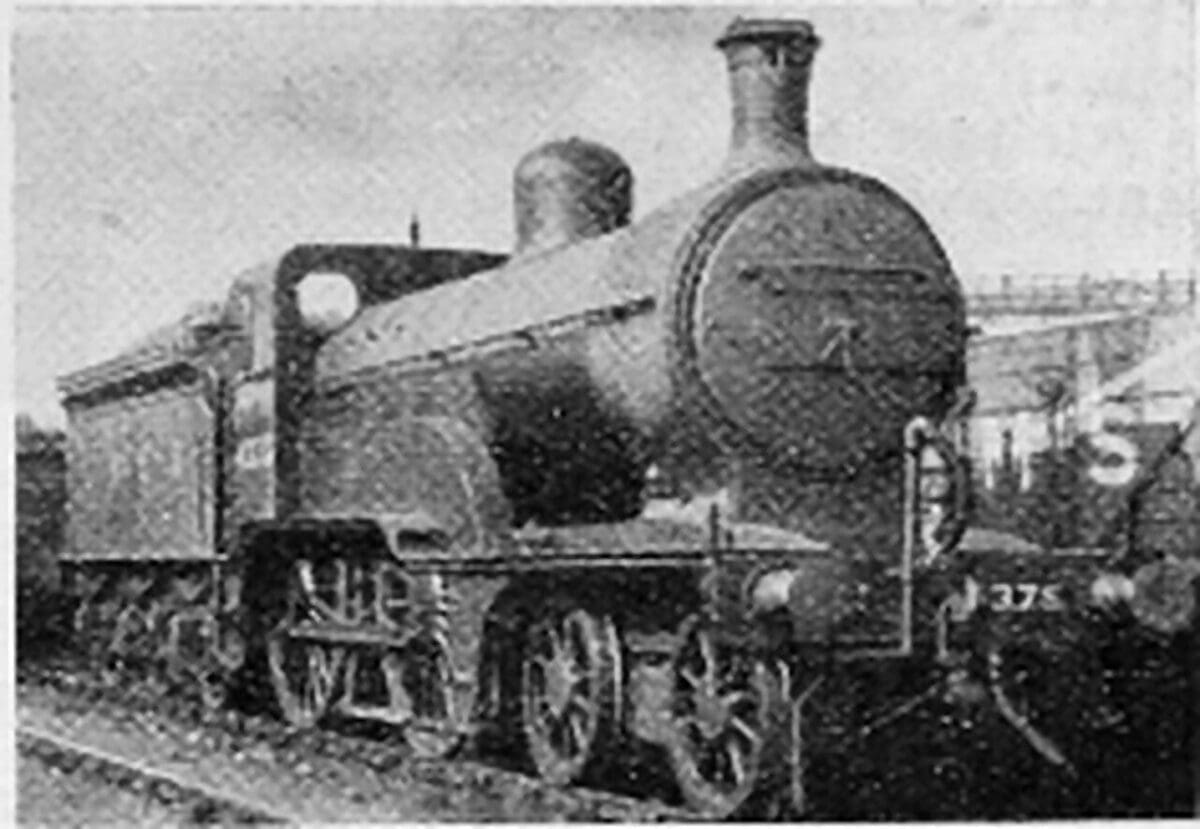
“Locomotive Men”: A 1943 Railway Magazine Insight into Rivalries, Pride and Steam-Era Culture
Posted
by
Originally published in a 1943 issue of The Railway Magazine, “Locomotive Men” by Philip Spencer offers a vivid snapshot of the culture, rivalries and professional pride that defined Britain’s steam-era railwaymen. Spencer highlights how loyalty among drivers and firemen often ran deeper than allegiance to the post-Grouping “Big Four”. Instead, men continued to identify strongly…
-
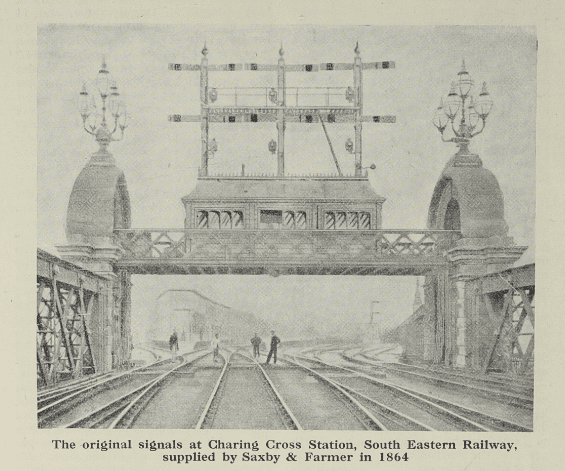
Britain’s First Signal Box: How Charing Cross Set the Pattern for Railway Signalling
Posted
by
The first signal box at Charing Cross, on the South Eastern Railway (SER), marked a pivotal moment in British railway history. Erected in 1864 by the renowned signalling engineers Saxby & Farmer, it was built specifically for the opening of the new London terminus and remained in use until 1888. By the time of its…
-
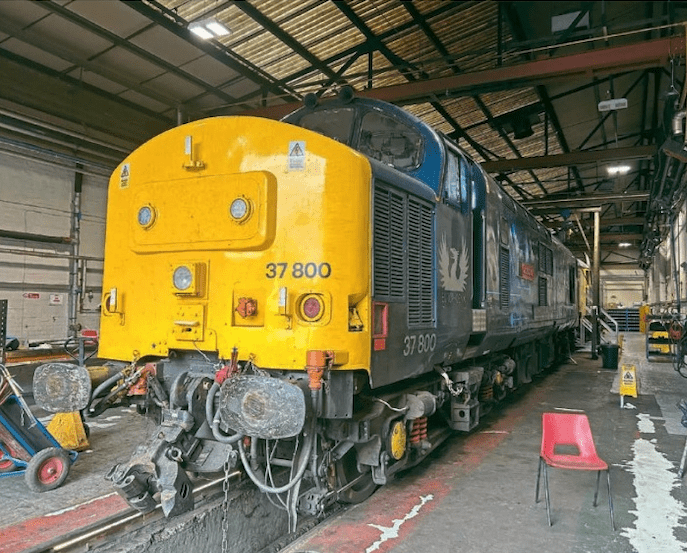
From Exporter to Operator: Glenn Edwards on Building Europhoenix into a Modern Rail Business
Posted
by
What began as a specialist locomotive export operation has evolved into a fully licensed UK rail operator — a transformation that Europhoenix managing director Glenn Edwards describes as deliberate, pragmatic and shaped by hard-earned experience. Speaking to Railways Illustrated, Edwards outlines how Europhoenix’s early focus on exporting surplus European locomotives provided both capital and technical…
From the history of steam through to 21st century rail transport news, we have titles that cater for all rail enthusiasts. Covering diesels, modelling, steam and modern railways, check out our range of magazines and fantastic subscription offers.